Green Hydrogen.
Decoupled From The Power Grid.
HyBurn eliminates the heavy capital constraints and grid inefficiencies of traditional water electrolysis. By leveraging proprietary, point-of-use thermochemical reactions, our platforms extract low-cost hydrogen and high-velocity thermal energy directly from solid carbonaceous waste.
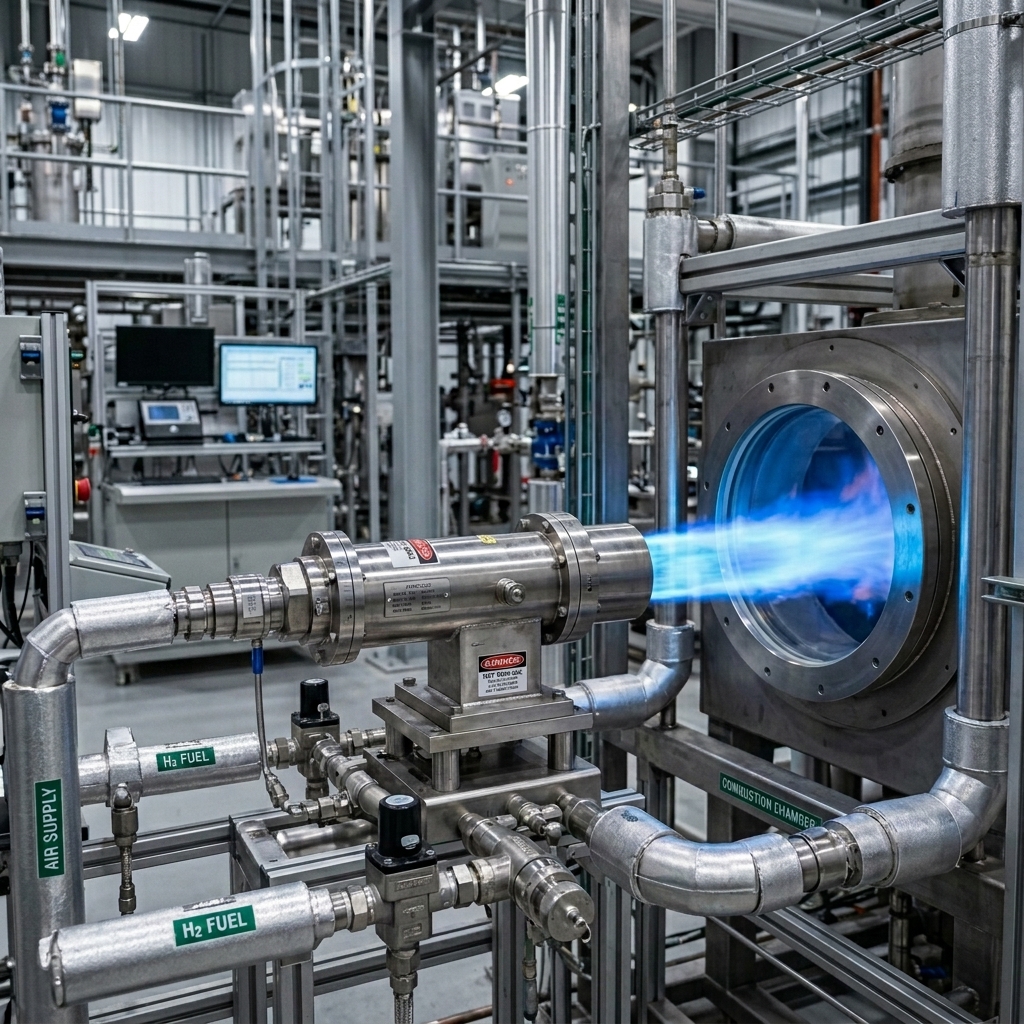
The Grid Dilemma
Traditional green hydrogen production relies almost exclusively on water electrolysis—a process that carries a severe net energy deficit, requiring massive overhead from localized electrical grids or dedicated solar farms.
The On-Demand Edge
HyBurn rewires this economic model. Instead of paying a heavy energy penalty to split water with electricity, our proprietary closed-loop thermal platforms utilize localized solid feedstocks to drive rapid, on-demand water-splitting. We don’t ship energy; we generate it right at the point of consumption.
High-Yield Economic Impact
Fuel Cost Reductions
Immediate shift in thermal operational expenses compared to conventional imported petroleum gases.
Day Amortization
Hyper-disruptive unit economics clear capital hardware acquisition costs in less than six months.
Continuous Baseload
Unaffected by weather patterns or grid intermittency, providing modular power density day or night.
Propulsion & Thermochemical Pathways
Dual-Track Process Engineering for high-heat thermal and pure chemical production industries.
Autothermal High-Velocity Convective Energy
- Mechanism: Uses highly controlled internal thermochemical balancing to drive real-time water-gas transformation cycles entirely in-situ.
- Output: Outputs a highly stable, organized vertical violet plasma column exceeding 1300°C.
- Application: Built specifically to displace expensive commercial burner setups in high-heat manufacturing, metallurgy, and heavy commercial thermal loops.
Allothermal Electrothermal Resistance Systems
- Mechanism: Utilizes zero internal combustion. Thermal management is decoupled entirely from reactant flow via localized electric heating interfaces.
- Output: Isolates the feedstock from atmospheric air, yielding high-concentration, ultra-pure synthesis gas entirely free of nitrogen dilution.
- Application: Seamlessly pairs with downstream molecular sieves to generate pure hydrogen for industrial chemical synthesis and fuel cells.
Transforming Waste Liabilities Into Clean Fuel
The platform is engineered to structurally thrive on an immense variety of readily available, unvalorized carbonaceous materials.
Agricultural Residues
Integrates with decentralized village-level pyrolysis lines to convert crop stubble (like paddy straw and bagasse) into dense briquettes.
Urban Solid Waste Chars
Processes sanitized, carbon-dense fractions recovered from municipal waste lines, turning landfills into energy wells.
Baseload Carbons
Operates efficiently on biocarbon, hardwood charcoal fractions, or processed industrial coal, cracking fixed carbon into clean fuel.
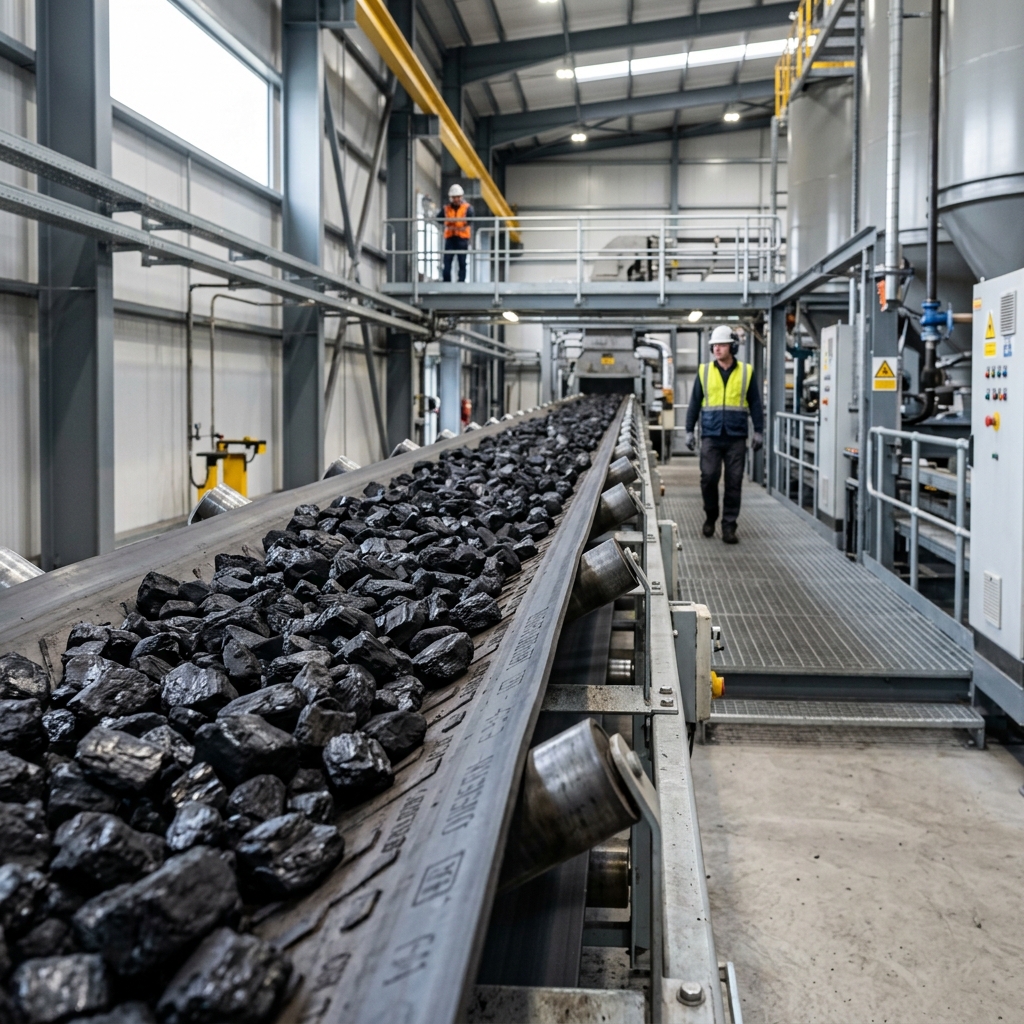
System Automation & Scaling
The Electronic Control Brain
Closed-Loop Intelligence
Proprietary software runs real-time closed-loop control algorithms across every HyBurn cell.
"Anti-Stall" Safety Loop
Thermochemical water-splitting is highly endothermic. Microsecond-adjustments to reactant feeds and heat balances protect peak output without system quenching during environmental variations.
Industrial Growth Roadmap
Modular Point-of-Use Generation
Immediate replacement of fossil-fuel infrastructure with self-contained high-thrust thermal generators.
MW-Scale Hydrogen Infrastructure
Scaling enclosed electrothermal resistance platforms to anchor regional pure green hydrogen supply hubs.
Data & Readiness Milestones
Validation Cleared
Fundamental core thermochemical science and fluid dynamic principles have been fully retired through rigorous continuous live testing protocols.
Performance Limits
Systems successfully demonstrated continuous, high-velocity output profiles on small, space-optimized footprints with balanced stoichiometric conversion.
Commercial Deployment
Active metallurgical and architectural scale-ups are currently underway using high-grade, corrosion-resistant alloys to support long-term continuous service boundaries.